
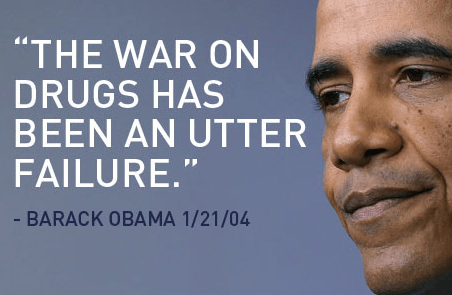
How to Transform the War on Drugs into Providing Drug Treatment and Compassion

How to Transform the War on Drugs into Providing Drug Treatment and Compassion

Make the faces of drug use and abuse white ones. Interesting, yes? Most black and brown people have known this since forever. Last week, the WaPo published two authors who note that with the reports of the explosion of heroin use and abuse in the suburbs, that the news reporting as well as law enforcement sound much more compassionate, but that seems to be because they are now talking about white people:
Last month, NBC News ran a series of stories about the United States’ “growing heroin epidemic.” Two things stand out in the reports: One is their sympathetic tone; the other is that almost everyone depicted is white. Drug users and their families aren’t vilified; there is no panicked call for police enforcement. Instead, and appropriately, there is a call for treatment and rehabilitation. Parents of drug addicts express love for their children, and everyone agrees they need support to get clean.
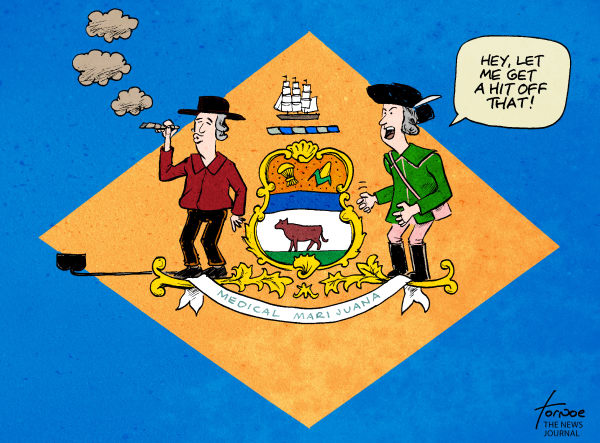
New Legislation Proposed to Decriminalize Marijuana Possession

New Legislation Proposed to Decriminalize Marijuana Possession

Yes, this is actually happening in Delaware. Rep, Helene Keeley (my rep!) has sponsored HB 371, legislation that would allow Delawareans to possess less than an ounce of marijuana and makes public consumption of marijuana a civil (rather than criminal) offense. Should this pass, Delaware would join 18 other states and multiple municipalities in helping to de-escalate the War on Drugs. People with small amounts of marijuana are a wasteful target for law enforcement (unless, of course, they are suspects in other crimes) and it is well past time to refocus limited dollars and resources for law enforcement on the crimes that actually harm people or property. I support this effort. Here is the press release on this bill:

Towards a Smarter Policing Strategy?

Yesterday, Attorney General Eric Holder announced changes to the Federal policy in prosecuting drug crimes, basically getting Federal prosecutors to charge low-level offenders with less harsh crimes.  This action would essentially bypass the mandatory minimum sentencing rules whose primary accomplishment is to increase the already unsustainable numbers of Americans in prison.  This is a baby step in admitting that we've been losing the War on Drugs for a long time:
Attorney General Eric H. Holder Jr. announced Monday that low-level, nonviolent drug offenders with no ties to gangs or large-scale drug organizations will no longer be charged with offenses that impose severe mandatory sentences. The new Justice Department policy is part of a comprehensive prison reform package that Holder unveiled in a speech to the American Bar Association in San Francisco. He also introduced a policy to reduce sentences for elderly, nonviolent inmates and find alternatives to prison for nonviolent criminals.

A Casuality of the War on Drugs

Sens. Herb Kohl (D-Wis.) and Sheldon Whitehouse (D-R.I.). are my new heroes. Kohl and Whitehouse are asking the Drug Enforcement Agency to scale back their enforcement of the Controlled Substance Act as it is "producing a troubling side effect by denying some hospice and elderly patients needed pain medication" reports The Washington Post.

Fixing the Unfair Crack vs Cocaine Penalties

Senator Ted Kaufman is one of the co-sponsors of a bill introduced into the full Senate this week (it was voted out of the Judiciary Committee back in July) that would finally take on the incredible disparities in sentencing for those who are convicted of possession of either drug.